

What is the difference between torque and power?
Torque (Nm): Torque refers to the rotational force generated at the engine, measured in Newton-meters. It directly influences acceleration and pulling power, making it crucial in lower engine speeds. High torque is especially important for city driving, mountainous roads, and towing, as it provides sufficient power even at lower RPMs, allowing for smoother and more effortless driving without frequent gear changes.
Power (kW/PS): Power describes the energy expended or delivered per unit of time and is measured in kilowatts (kW) or horsepower (PS). It impacts the maximum speed and overtaking capability of a vehicle. Power increases with rising engine speed, and the peak power is typically achieved at higher RPMs. It’s essential for high-speed performance and rapid acceleration, making it ideal for high-speed highway driving and sportier driving conditions.
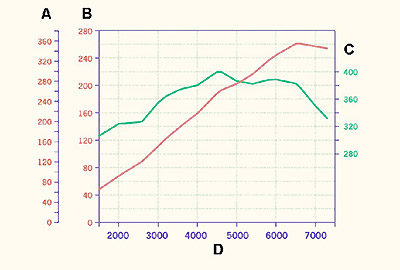
Power and Torque Curve of the Porsche 997 Carrera S:
The Porsche 997 Carrera S is equipped with a 3.8-liter flat-six boxer engine, which offers a balanced combination of power and torque. The power and torque curves show how these two factors change with engine speed:
- Power (kW/PS): Power increases with rising engine speed, reaching its maximum at higher RPMs. It determines how quickly the car can accelerate and its top speed. Higher power is crucial for swift overtaking and maintaining high-speed stability.
- Torque (Nm): Torque represents the driving force generated at the engine, which contributes to acceleration. It’s especially important at lower engine speeds, providing sufficient pull and making it easier to drive in traffic and on hilly terrain. The peak torque is typically available at lower RPMs, which results in quicker and more responsive acceleration from standstill.
Which is more important: Torque or Power?
- Torque: Torque is critical for acceleration at lower speeds and during everyday driving. High torque enables powerful driving from low RPMs, making driving more comfortable and requiring less frequent gear changes.
- Power: Power becomes more important at higher speeds, as it affects maximum velocity and overtaking performance. Higher power means greater force applied to the wheels, crucial for fast progress and overtaking maneuvers.
Differences in Driving Styles:
- Sporty Drivers: Focus on power, as they prefer driving at high speeds and utilizing maximum power output. For these drivers, torque is less critical.
- Relaxed Drivers: Tend to pay more attention to torque, as they drive at lower speeds and can leverage high torque at lower RPMs for smooth and effortless driving. This makes driving more relaxed and reduces wear on the engine.
Conclusion:
In scenarios where fast acceleration or high-speed driving on highways is required, power (PS) and engine speed are decisive factors.
In situations involving low-speed driving, city traffic, or mountainous terrain, torque becomes more important, as higher torque at lower RPMs provides adequate propulsion.
In activities like towing a trailer or driving uphill, a high torque advantage is evident, as it delivers sufficient power at lower engine speeds, making it easier to maintain forward momentum.